


Web Design
By Admin
Mar, 10th 2026
7 min read
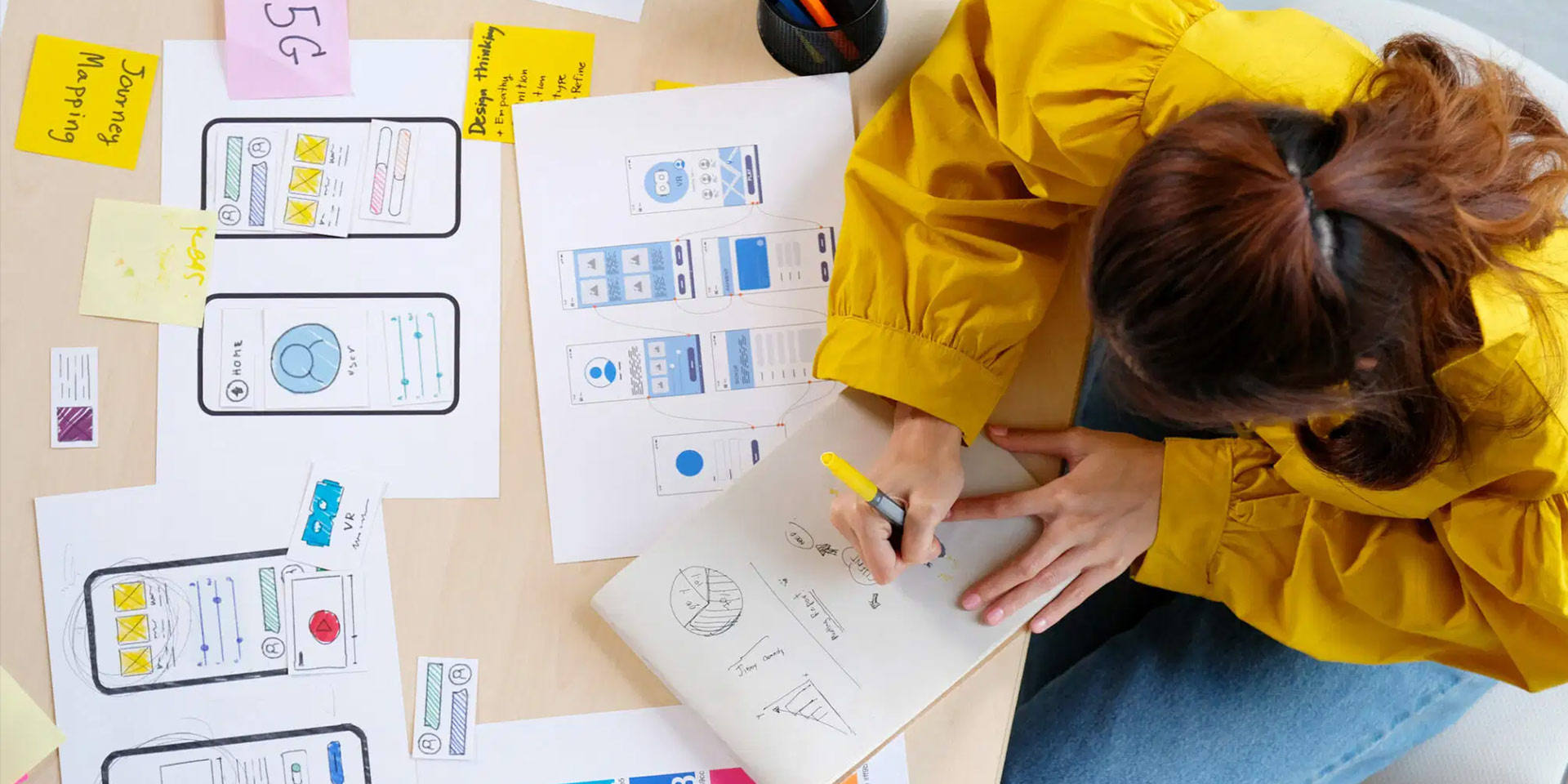
Design thinking in web design is a human-centered approach to creating digital experiences that focus on solving real user problems. Instead of beginning with technology, layouts, or visual design trends, the design thinking process starts by understanding how users think, behave, and interact with digital products.
This approach allows businesses in Dubai and across the UAE to design websites that are not only visually appealing but also intuitive, efficient, and aligned with user expectations. By focusing on empathy, experimentation, and iteration, design thinking enables teams to build digital platforms that truly meet the needs of their audience.
For organizations investing in web design in Dubai, design thinking has become an essential methodology for creating websites that deliver better usability, stronger engagement, and measurable business results.
User expectations have evolved dramatically in recent years. Visitors now expect websites to load quickly, be easy to navigate, and provide immediate value. If a website fails to meet these expectations, users simply move on to competitors.
Design thinking addresses these challenges by focusing on the user experience throughout the entire design and development process. Instead of relying on assumptions about what users want, design decisions are guided by real insights gathered through research and testing.
Businesses that apply design thinking to web design often experience significant improvements in both customer experience and website performance.
By aligning digital design with real user behavior, design thinking ensures that websites serve both the needs of the audience and the strategic goals of the business.
The design thinking in web design methodology follows five core stages — not a rigid checklist, but an iterative cycle that encourages continuous improvement. It's the same process Code Innovation applies to every web design project in Dubai and the UAE.
The first stage focuses on gaining a deep understanding of the people who will use the website. Designers gather insights about user behaviors, goals, and challenges through research methods such as interviews, surveys, and analytics data.
By studying how users interact with digital platforms, teams can identify common frustrations and opportunities for improvement. This stage builds the foundation for creating meaningful user experiences.
After gathering user insights, the next step is to clearly define the problem that needs to be solved. The goal is to transform research findings into a focused problem statement that guides the design process.
A well-defined problem ensures that the team works toward solving real user challenges rather than making superficial design changes.
During the ideation stage, teams explore multiple possible solutions to the defined problem. Brainstorming sessions and collaborative workshops encourage creative thinking and help designers evaluate different approaches.
The objective is to generate a wide range of ideas before narrowing them down to the most effective solutions.
Prototyping transforms ideas into tangible design concepts that can be tested. These prototypes may include wireframes, clickable mockups, or simplified versions of the user interface.
By creating prototypes early in the process, teams can identify usability issues before investing significant resources into full development.
Testing places prototypes in front of real users to observe how they interact with the design. This stage reveals usability issues, confusion points, and opportunities to improve the experience.
Feedback gathered during testing helps refine the design and ensures the final website delivers a seamless and intuitive experience for its users.
Organizations across Dubai and the UAE that adopt design thinking consistently experience measurable improvements in digital platform performance. By focusing on user needs and continuous improvement, businesses build websites that deliver real results:
These advantages make design thinking an effective strategy for companies looking to improve both user satisfaction and digital performance.
Traditional web design focuses on visual layout and development execution. While this produces attractive websites, it often overlooks deeper usability issues. Many Dubai businesses have switched to a design thinking approach because the results — in traffic, engagement, and conversions — are simply stronger.
This user-first mindset often results in websites that are more effective at engaging visitors and achieving business goals.
Google UAE search rankings in 2026 increasingly evaluate user experience when determining how websites rank. Websites that provide intuitive navigation, helpful content, and fast performance consistently outrank those that don't — regardless of how much they spend on ads.
For businesses investing in SEO in Dubai, design thinking directly improves the metrics that matter most to Google:
By combining strong user experience with strategic content structure, businesses can create websites that perform well for both users and search engines.
As digital competition in the UAE intensifies, businesses can no longer rely on traditional design methods alone. Design thinking in web design provides the structured methodology that turns user insight into digital experiences that rank, engage, and convert.
At Code Innovation, we apply design thinking to every web project we deliver — from Dubai startups launching their first site to established UAE enterprises rebuilding for growth. Whether you need a high-performing website, a stronger UI/UX design, or a complete digital presence — we build it around what your users actually need.
Let's build something that works as good as it looks.
Design thinking in web design is a human-centered, iterative approach that focuses on understanding users, defining their problems, ideating solutions, prototyping, and testing to create effective and engaging websites.
By deeply understanding user needs and pain points, design thinking ensures websites are intuitive, easy to navigate, and aligned with user goals, reducing bounce rates and improving engagement.
Design thinking considers the entire user journey, not just the website interface. This leads to consistent, satisfying experiences across all touchpoints, enhancing trust and loyalty.
Yes. Design thinking helps create websites that match user intent, improve navigation, reduce friction, and increase dwell time—factors that search engines use to rank websites in 2026.
The timeline varies by project size, but most agencies incorporate design thinking from the planning stage through prototyping and testing. Small to medium projects usually take 6–12 weeks for full implementation.
Yes. E-commerce, SaaS, B2B services, healthcare, and real estate websites all benefit from a design thinking approach because it focuses on user needs and measurable outcomes.